2026-01-15
Yen steadies on intervention warnings, but Takaichi trade keeps pressure intact
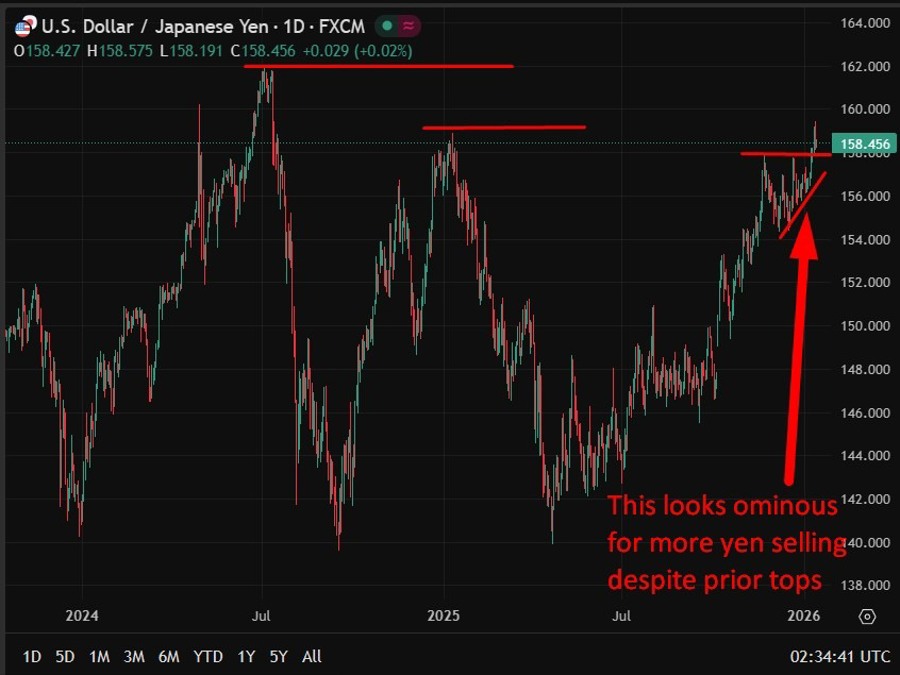
Summary:Yen neared 160 on Wednesday as “Takaichi trade” stays dominantMOF and U.S. rhetoric triggers pullback from highsAuthorities escalate intervention warningsFiscal-policy expectations keep pressure on yenEquity inflows reinforce currency hedging flowsThe so-called “Takaichi trade” is expected to remain firmly in place heading into Japan’s snap Lower House election next month, with many market participants judging that actual FX intervention may be the only effective tool left to reverse yen weakness in the near term.The yen briefly approached the psychologically important ¥160 per dollar level this week, prompting a sharp escalation in official rhetoric. Verbal warnings from Japan’s Ministry of Finance during London trading hours, Tokyo officials intensify verbal intervention on the Japanese yenJapanese Yen rebounds amid barrage of verbal intervention and "sell the fact" tradefollowed by comments from U.S. Treasury Secretary Scott Bessent, Bessent warns on excessive FX volatility in talks with Japan, urges sound communicationhelped cap USD/JPY at 159.45 before triggering a pullback toward the mid-158s. Traders have long viewed the 160 level as a de-facto intervention threshold, and the coordinated tone from Tokyo and Washington unsettled positioning.Finance Minister Satsuki Katayama said authorities would take “appropriate action against excessive currency moves without excluding any options,” describing recent yen declines as rapid and out of line with fundamentals. Japan’s top currency diplomat Atsushi Mimura echoed the message, warning that one-sided, speculative moves could force a response. Japan last intervened in July 2024, when USD/JPY neared 162.Despite the warnings, the structural drivers behind yen weakness remain intact. Markets continue to price in expansionary fiscal policy under Prime Minister Sanae Takaichi, with her popularity and the ruling LDP’s prospects for reclaiming a Lower House majority underpinning expectations of looser fiscal settings. Japanese equities have surged on this theme, with the Nikkei 225 and TOPIX hitting record highs, drawing heavy foreign inflows hedged via yen selling.Importer demand for dollars has also remained persistent amid elevated global prices, while the clearing of upside USD/JPY option barriers since mid-2025 has reduced resistance to further gains. Although Bessent has urged Japan to lean more on faster Bank of Japan rate hikes rather than intervention, the BOJ’s cautious normalisation path suggests that without direct action, yen weakness could re-emerge once election-related noise fades.The chart above is using hourly candles, these are daily for a longer perspective. This article was written by Eamonn Sheridan at investinglive.com.